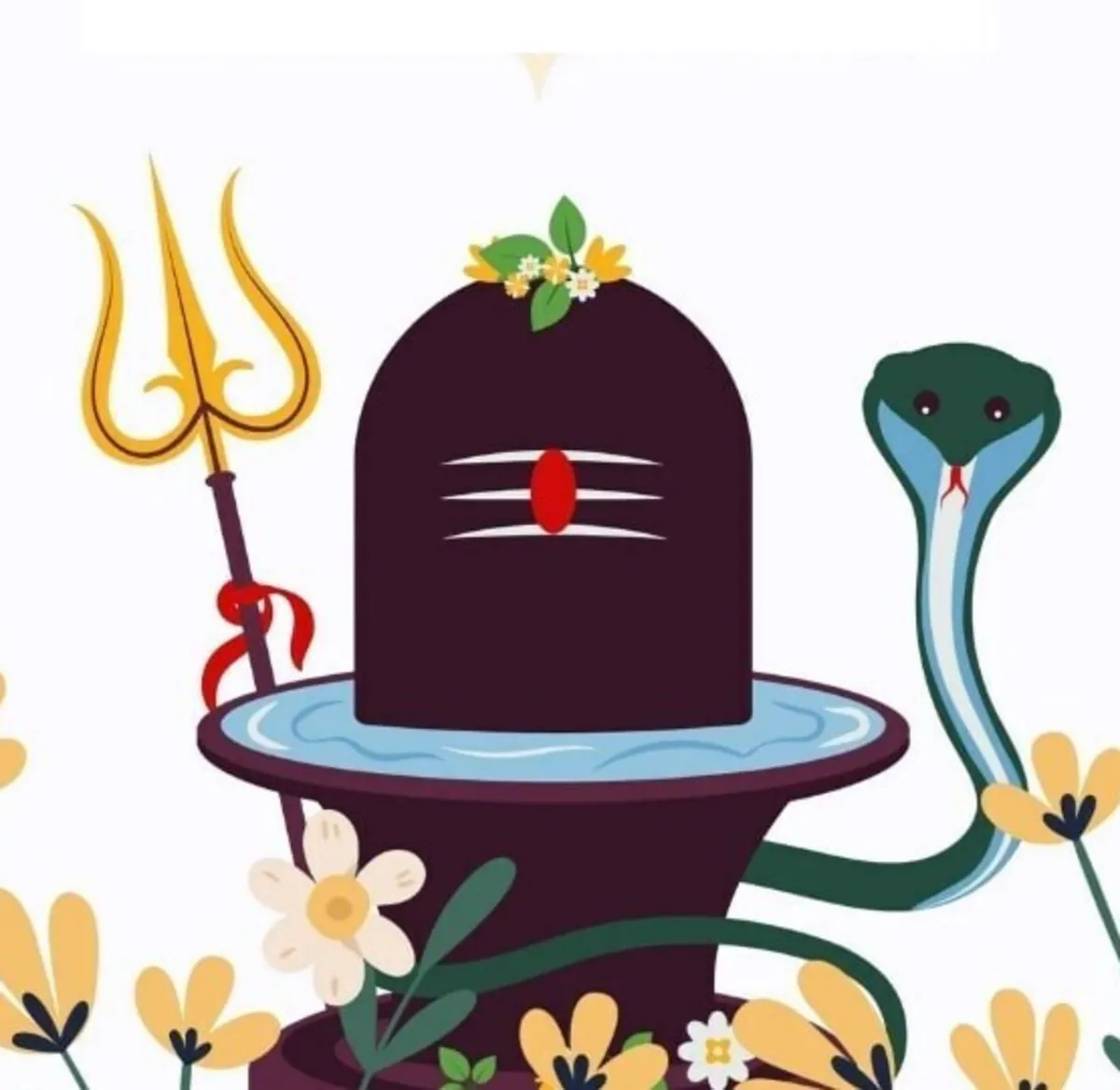
Nagara Panchami in Mangalore is a deeply traditional festival celebrated with devotion and cultural enthusiasm across coastal Karnataka. The festival is dedicated to Naga Devatha, the serpent deity, and holds a special place in the customs of Tulunadu. Families visit temples, ancestral Naga shrines and sacred serpent groves known as Naga Bana to offer prayers and seek blessings.
For visitors interested in experiencing the unique culture of Mangalore, Nagara Panchami provides an opportunity to learn about the region's traditional rituals, food and religious heritage.
How Is Nagara Panchami Celebrated in Mangalore?
Nagara Panchami is traditionally observed on the fifth day of the bright half of the lunar month of Shravana. On this day, devotees perform special prayers for the Naga deity and visit nearby temples and Naga Bana.
In many families, the day begins with cleaning and decorating the prayer area. Devotees then offer flowers, turmeric, milk, tender coconut and other traditional offerings according to their family customs.
The exact rituals can vary from one family or temple to another, making the festival a diverse and meaningful part of Mangalore's cultural heritage.
Visit Naga Bana
One of the most distinctive aspects of Nagara Panchami in Mangalore is the worship of serpent stones located in sacred groves. These places are commonly known as Naga Bana.
The serpent idols are traditionally respected as sacred representations of Naga Devatha. During Nagara Panchami, devotees visit these shrines, perform pooja and offer flowers and other customary offerings.
The peaceful surroundings of these sacred groves also provide an insight into the traditional relationship between spirituality and nature in coastal Karnataka.
Special Pooja and Offerings
Special poojas are performed at many Naga temples and shrines during Nagara Panchami. Depending on local traditions, devotees may offer milk, tender coconut, flowers, turmeric and other pooja materials.
Some temples also conduct special abhishekas and traditional rituals. Devotees generally follow the instructions of the temple priests and the customs followed at their particular shrine.
Visit Kudupu Sri Anantha Padmanabha Temple
One of the well-known places associated with Naga worship near Mangalore is Kudupu Sri Anantha Padmanabha Temple. The temple is known for its Naga worship and attracts devotees throughout the year, particularly during important Naga-related festivals.
During Nagara Panchami, the temple can become an important destination for devotees seeking blessings and participating in special religious activities.
If you are planning a temple visit during the festival, booking a Mangalore taxi can make the journey more convenient, especially for families and elderly passengers.
Traditional Food During Nagara Panchami
Food is another important part of festival celebrations in coastal Karnataka. Families prepare traditional vegetarian dishes and sweets according to their customs.
Patholi, a steamed sweet preparation traditionally made using rice batter and jaggery-coconut filling and cooked in turmeric leaves, is particularly associated with festive occasions in coastal Karnataka.
Preparing traditional food at home brings families together and helps preserve the culinary heritage of Tulunadu.
Nagara Panchami and Tulunadu Culture
Nagara Panchami is more than a religious celebration in Mangalore. It reflects the cultural traditions of Tulunadu, where Naga worship has been practiced for generations.
The presence of Naga Banagalu and family serpent shrines across the coastal region demonstrates the importance of these traditions. The festival also brings families together and encourages younger generations to learn about their customs and heritage.
Explore Mangalore During the Festival
Visitors coming to Mangalore for Nagara Panchami can also explore several attractions around the city. Beaches, temples, heritage sites and traditional markets make Mangalore an interesting destination for a cultural trip.
Popular places to include in a Mangalore sightseeing trip include beaches, historic temples and other cultural attractions. A local taxi can be useful if you want to visit several places in one day without depending on public transportation.